
METAL FORMING
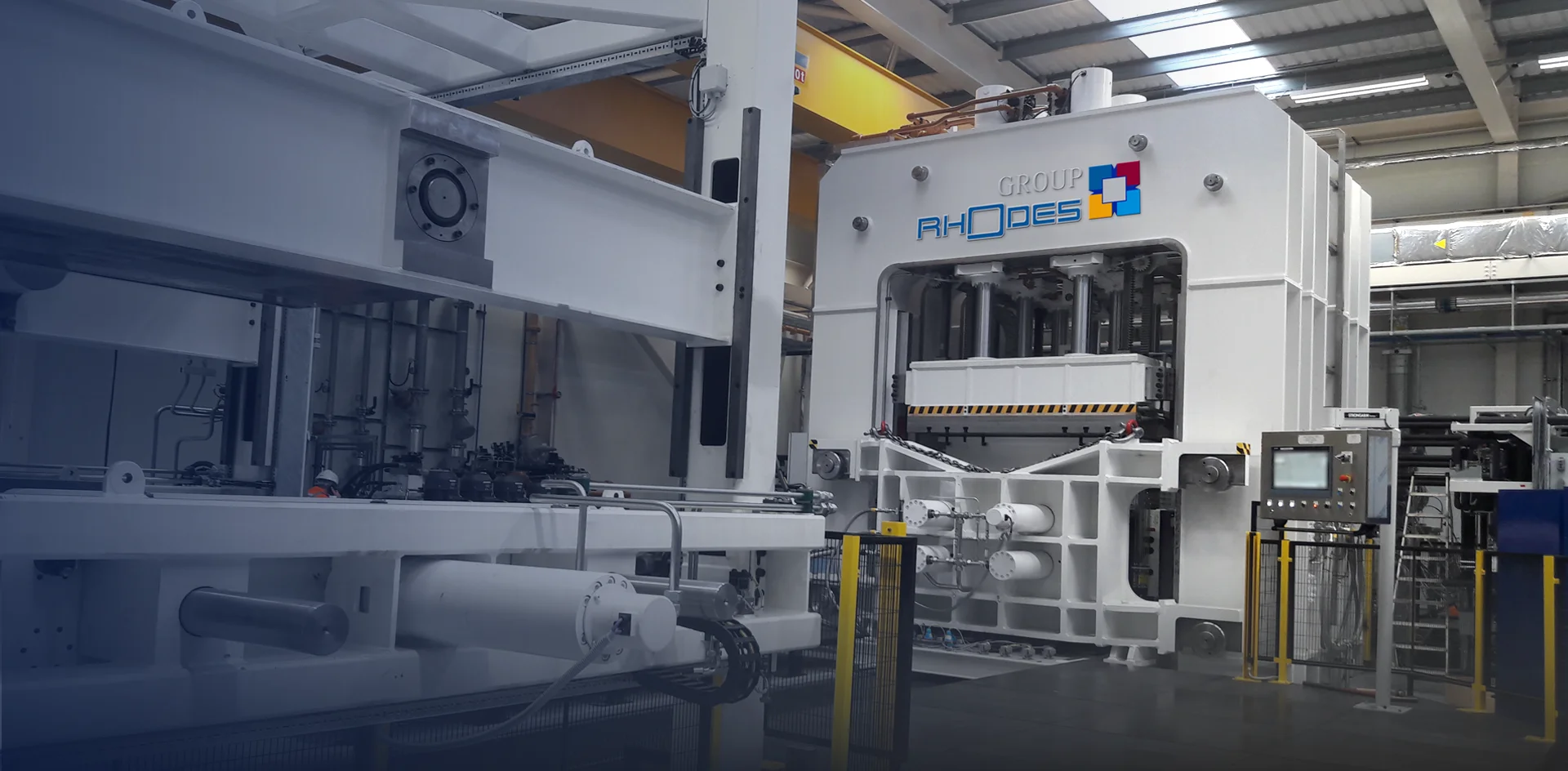
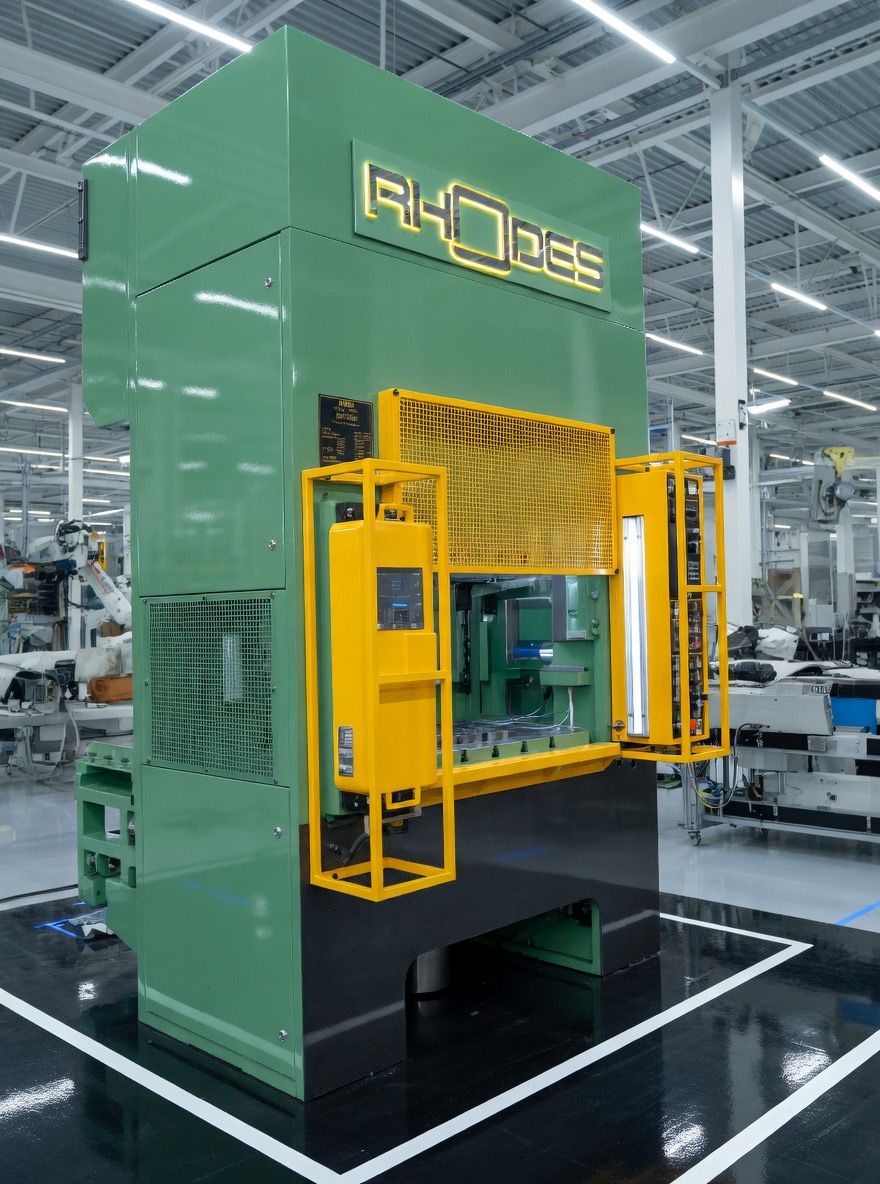
Double Sided Presses
Rhodes Interform’s extensive HDS double sided press range is widely used by organisations across the globe and is available in 100 to 630 tonne models.
Benefits
- Maximum frame rigidity achieved through computer-aided frame design and finite element analysis
- Standard extra-long ram guides and optional eight-face slide guides provide exceptional accuracy and reduced tool wear
- All presses are available with a variety of manual or automatic tool-change options
- One-piece fabricated steel frame, fully stress relieved
- All models are available with full CNC controls
METAL FORMING
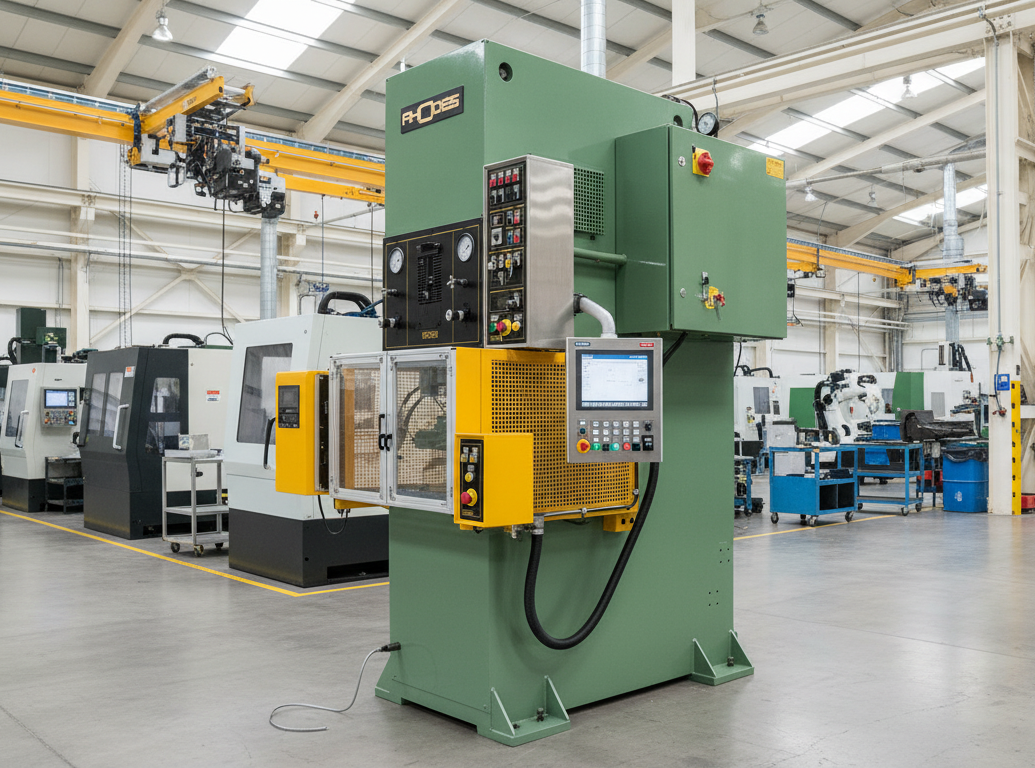
Open Fronted C-Frame Presses
The Rhodes Interform's extensive HOF Model Open Fronted Hydraulic Press Range are primarily suited to "Second Operation" hand fed parts production in the automotive, building metalwork and other medium to high volume small parts and is available in six different models and from 25 to 160 tonne.
Benefits
- Open-fronted design offers maximum access to the tool area for tool changing and component feeding applications
- Ergonomically designed
- Slide guidance can incorporate either V-type or twin-pillar guides
- Motorised shut height adjustment with an optional positive stop device facilitates tool changeovers
- Easily adjustable cams and limit switches control the top-of-stroke, speed-change and bottom-of-stroke positions
METAL FORMING
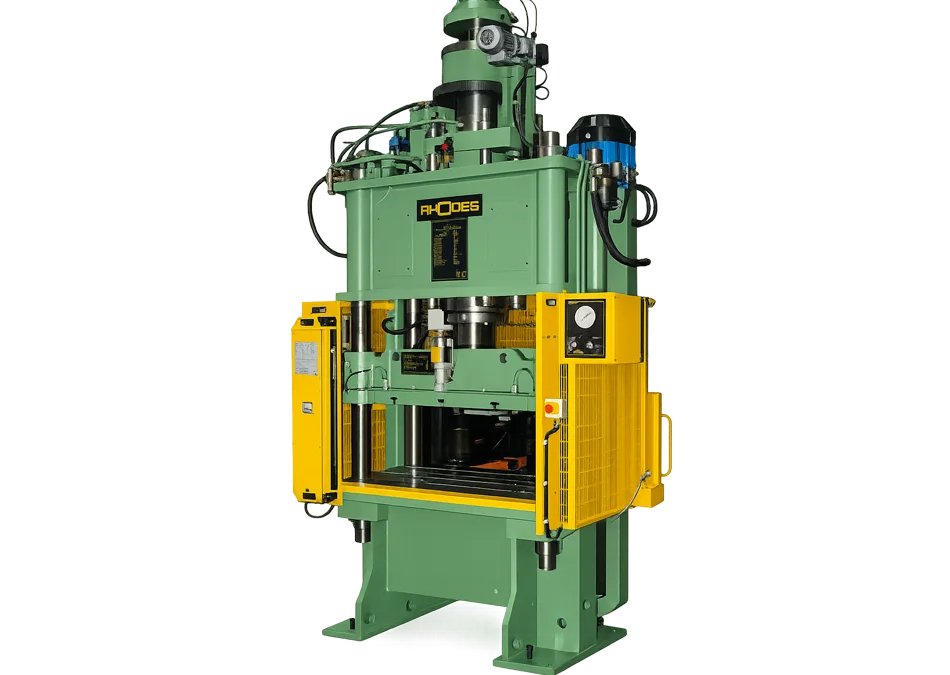
Four Pillar Press
The Rhodes Interform's extensive HFP Four Pillar press range incorporates either a mechanical or hydraulic electrically interlocked restraint system to prevent the slide from falling due to gravity. The four pillar press range is available in capacities from 25 to 160 tonnes.
Benefits
- Design offers maximum rigidity and tool area access at a very competitive cost
- Four pillar guidance offers excellent slide accuracy, which in turn leads to reduced tool wear and increased tool life
- Additional safety features – at least two separate solenoid valves must be energised before any movement of the slide can occur
METAL FORMING
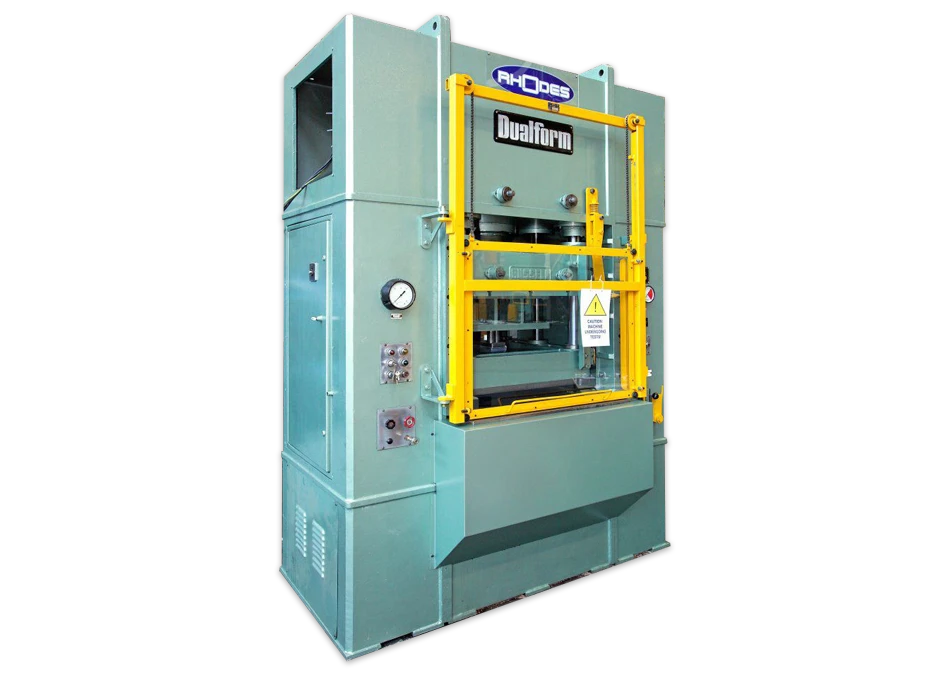
Dualform Press
The Dualform process enables accurate replication of existing panels or hand-crafted, fabricated panels. The panels are submerged in a liquid alloy, the heating is then turned off; and the alloy is allowed to cool to form the top and bottom dies.
The original sample is then removed, and the mould surfaces are hand-dressed. The press is then ready to operate.
Dualform is a patented process incorporating a special double-acting hydraulic press for the simultaneous manufacture of matching top and bottom dies within the press.
- Used for the manufacture of finished pressed panels
- More than 250 Dualform presses have been sold worldwide
- A low-melting-point alloy called 'Lowmelt'
METAL FORMING
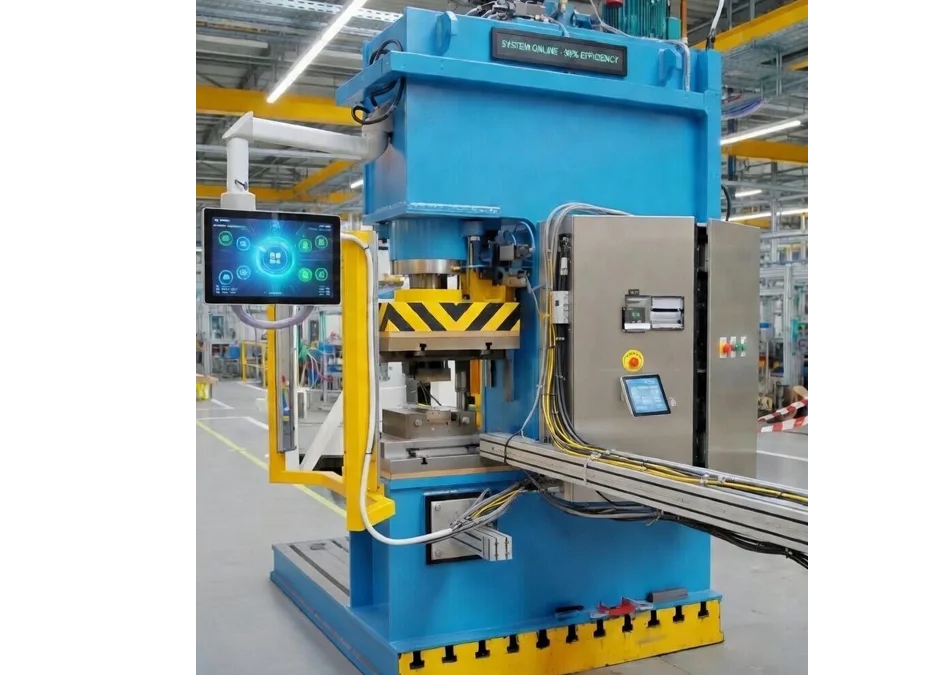
Hot Joggling Press
Provide accurate manufacture of stringer sections, essential for lightweight aircraft production. Hot Joggling presses are available up to 50 tonnes.
They are usually down-stroking C-Frame forming presses, complete with accurately heated die sets.
- Die set operates at 180 °C
- The presses are fitted with an integrated adjustable stroke stop assembly as a means of accurately locating the joggle from a predetermined datum
- The accuracy of the stroke stop is within 0.05 mm
METAL FORMING
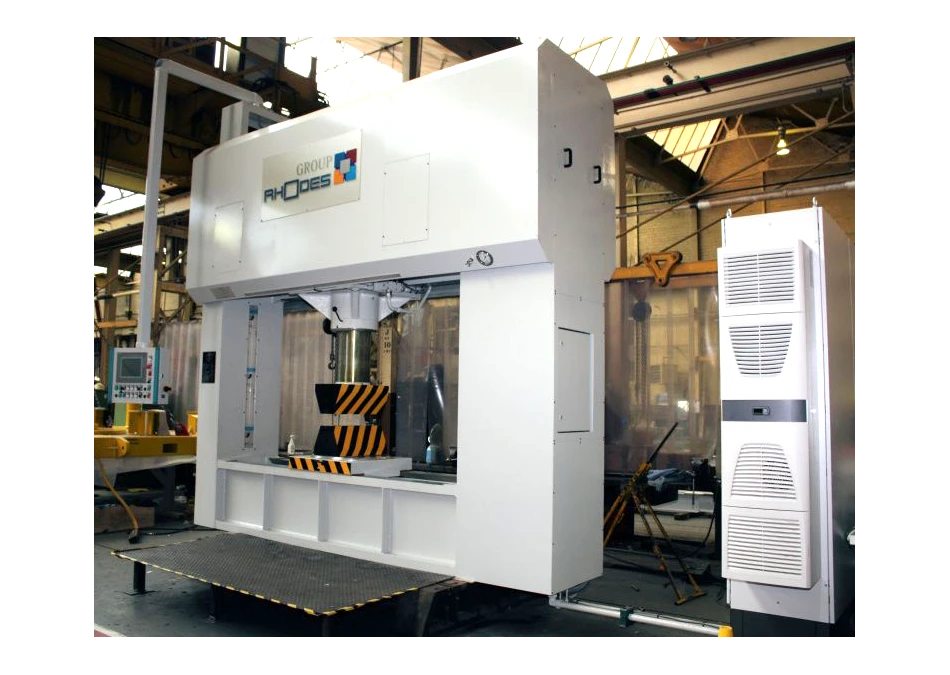
Three-Point Bending Press
The Three-point hydraulic bending press is capable of applying 80 tonnes as a point load on a component sheet, positioned between upper and lower anvils.
The machine is used where localised detail pressing is required on a component sheet, for example, on fuselage panels, wing panels and engine nacelles.
The down-stroking main ram incorporates an electrically adjustable stroke stop with electronic positional feedback, allowing repetitive positional control between the anvil faces under all load conditions.
METAL FORMING
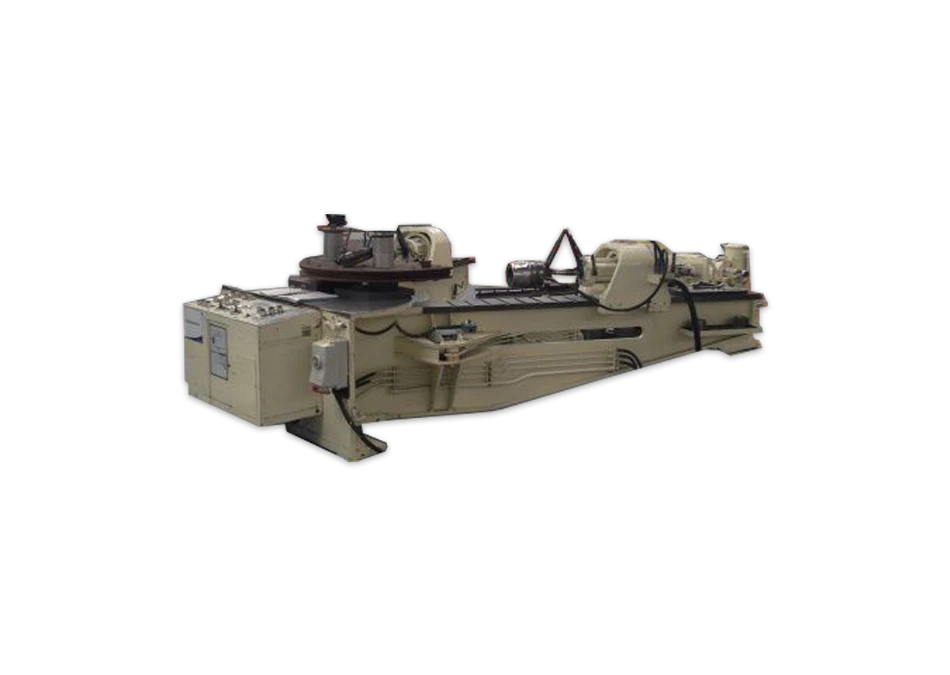
Stretch Forming Press
- Form aluminium, stainless steel and titanium alloys.
- The process involves a component sheet being stretched to its yield condition and then draped over a male forming tool.
- Stretch formed components offer an accurate finished profile with minimal spring back.
METAL FORMING
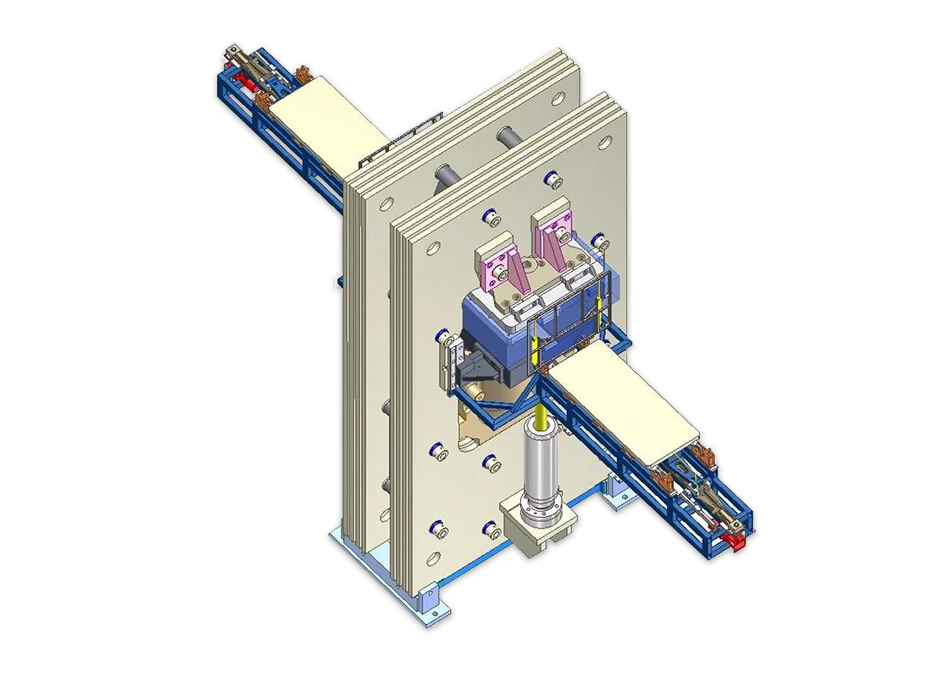
Flexible Die Press
The basic operating principle involves draping a component sheet (usually aluminium) over a male former, which is loosely positioned on the up-stroke press table.
Hydraulic pressure then forces the male former, together with the component sheet, into a pressing pad.
Benefits
- Low-cost tooling
- In one single press, operators can produce multiple high-volume components
- Quick cycle time
- Suitable for general applications
METAL FORMING
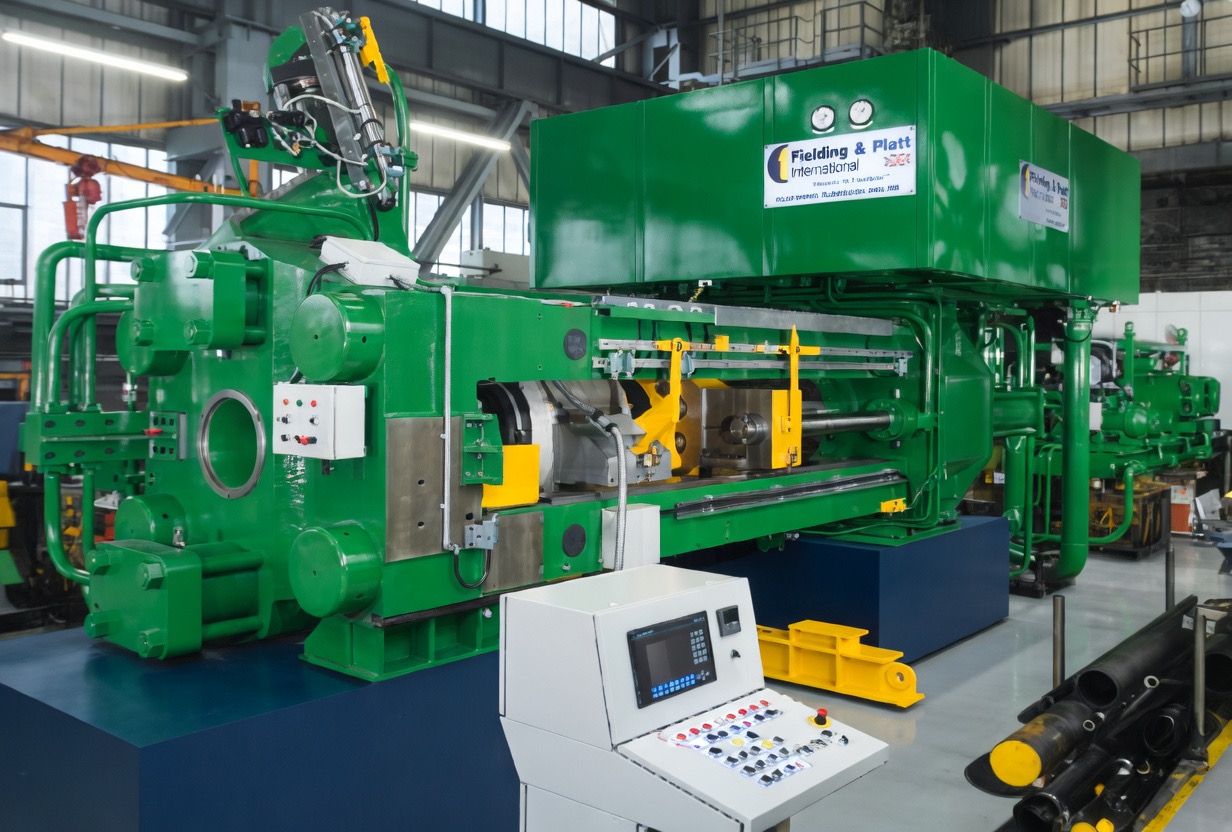
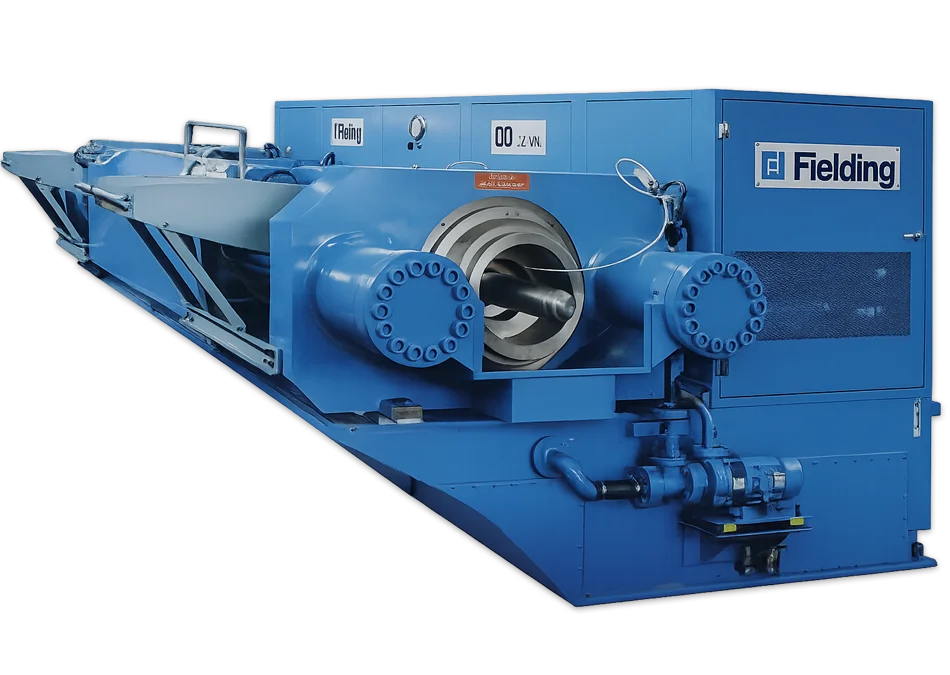
Forward Extrusion Presses
Forward extrusion press models (also known as aluminium extrusion presses) were first built during the 1960s, with Fielding and Platt heavily involved in the development of the non-ferrous forward extrusion press model.
Rhode Interform's press is of the horizontal type, complete with a self-contained hydraulic power unit and controls suitable for manual operation. Its robust construction is specially designed for extruding aluminium alloys through a single filament die of customer supply.
Benefits and design features
Forward extrusion presses deliver a range of benefits, such as:
- Robust construction
- Variable extrusion speeds
- Reduced installation time
- Economical maintenance
- Reduced noise levels
- Flexibility
METAL FORMING
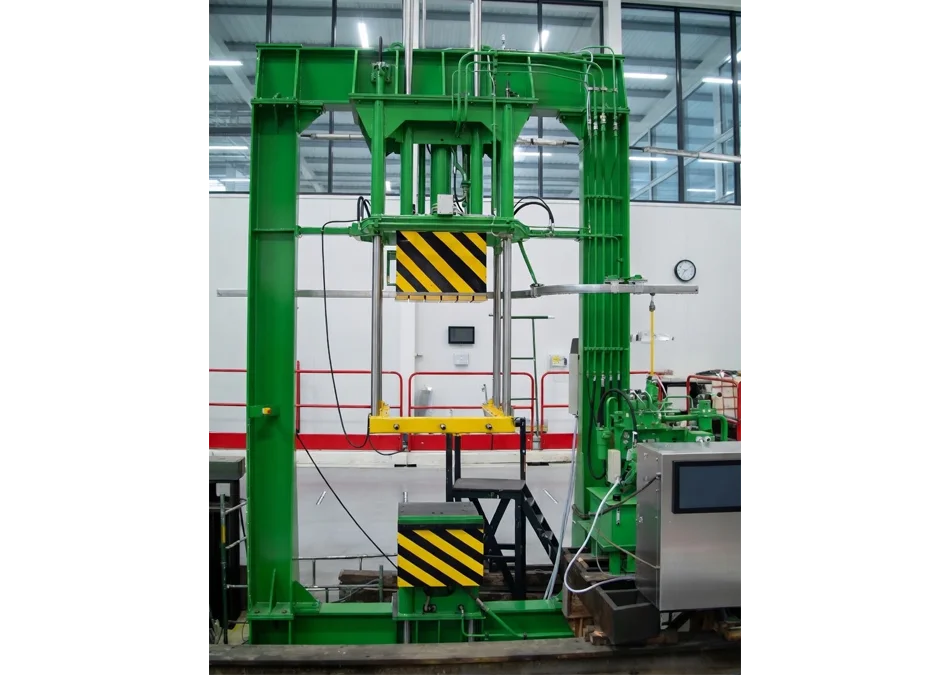
Deep Drawing & Ironing (DDI) Presses
With over 65 years’ experience, Group Rhodes has manufactured deep-drawing and ironing presses since the 1960s. Fielding and Platt has been heavily involved in the development of the Deep Drawing and Ironing press solutions.
The deep drawing and ironing (DDI) process was developed some years ago for the cold drawing of tubular components (i.e aerosol and gas canisters) with single closed ends from circular blanks.
Benefits
DDI Presses deliver a range of benefits such as:
- High productivity using both ends of the press
- Reduced manufacturing costs
- Long, consistently accurate tool life
METAL FORMING
Baling Presses
John Shaw started manufacturing baling presses over 70-80 years ago, with this range being available in a manual, semi-automatic and fully automatic models.
These presses are available in capacities ranging from 385 to 900 tonnes.
Benefits
Our baling machines deliver space and time-saving benefits, including:
- Makes transportation easier
- Reduces the volume of material being transported
- Storage of less bulky items